Activity 2 – Antalya Mobility Report
1. General Information
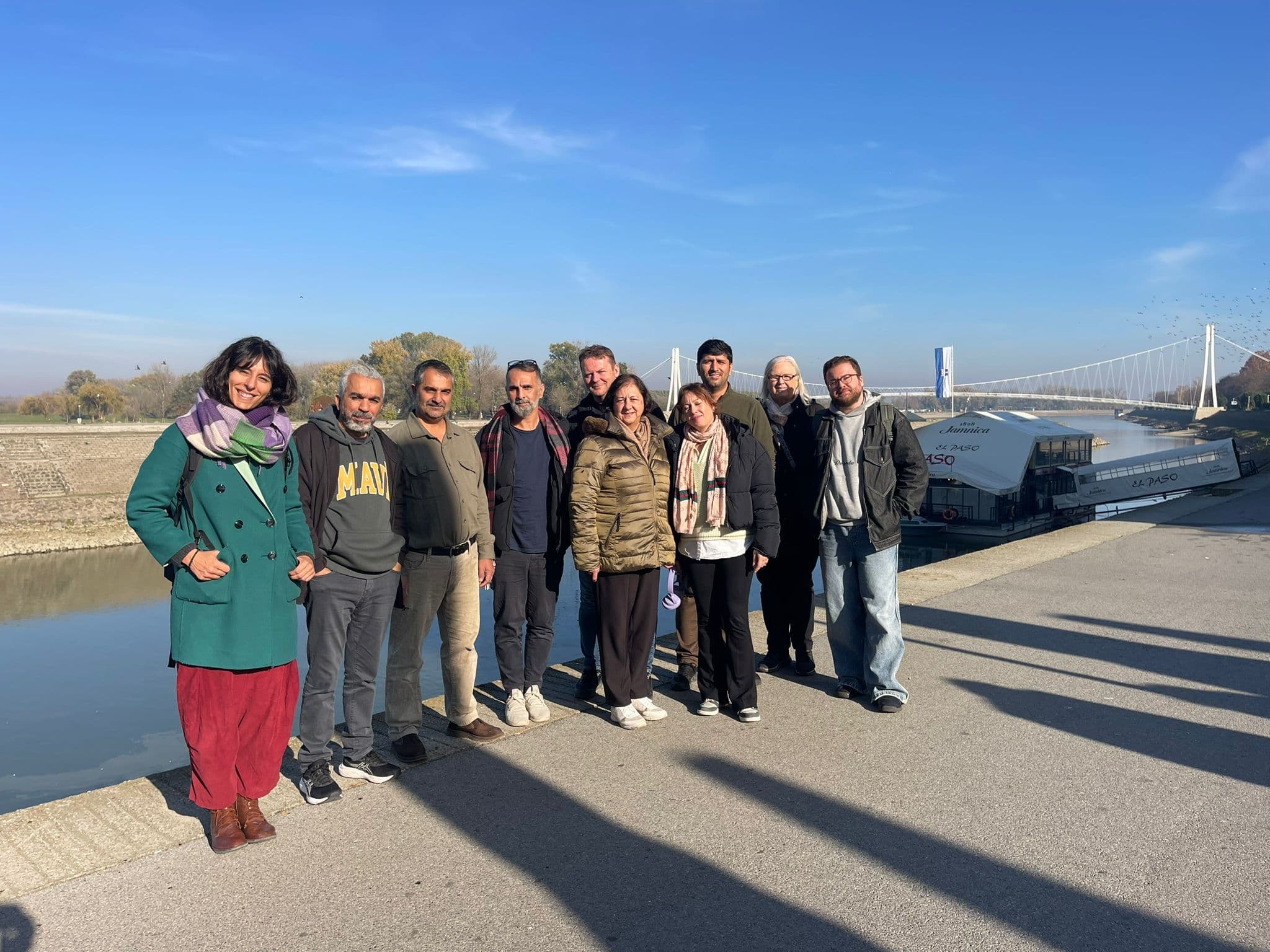
This report presents the implementation, outcomes and quality assessment of the Erasmus+ mobility activity hosted in Antalya between 18–22 May. The activity was carried out successfully in line with the planned programme. No organisational, pedagogical or safety-related problems were experienced during the mobility week.
The programme combined scenario-based role-playing, creative storytelling, intercultural exchange, artistic production, cultural heritage visits and final evaluation sessions. The mobility contributed directly to the project’s aims by strengthening students’ communication, creativity, teamwork, cultural awareness and active participation skills.
2. Objectives of the Mobility
The main objectives of the Antalya mobility were:
- to bring together students and teachers from partner countries in a collaborative learning environment;
- to improve students’ self-expression through storytelling, improvisation and role-playing;
- to support intercultural dialogue among Turkish, Croatian, German, and Italian participants;
- to connect creative drama and storytelling with cultural heritage;
- to encourage students to work collectively on final story performances;
- to evaluate the progress of the project and plan the following project tasks, including the Italian mobility.
The activity was designed as a structured learning process in which students actively produced, performed, reflected and shared.
3. Implementation of the Programme
Day 1 – Welcome, Orientation and Scenario-Based Role-Playing
The first day started with a welcoming ceremony, exchange of presents and a school tour. These activities helped participants become familiar with the host institution and created a positive first contact among students and teachers.
Ice-breaking activities were then implemented to support group cohesion. These activities were particularly useful for reducing communication barriers and preparing students for collaborative work.
The main learning component of the day was the Scenario-Based Role-Playing Workshop led by the Croatian team. Students worked on role-based situations that encouraged them to use imagination, empathy, verbal expression and decision-making skills. The workshop continued after lunch, allowing students to deepen their understanding of the method and apply it more confidently.
The day ended with a visit to the city library. This visit supported the educational dimension of the activity and connected the project’s storytelling focus with reading, research and public cultural spaces
Day 2 – Cultural Heritage Visit to Side Ancient City
The second day focused on cultural heritage and place-based learning. Participants travelled to Side Ancient City and started the day with a traditional Turkish breakfast near the river. This provided an authentic cultural experience and supported social interaction among participants.
The group then visited Side Old Town, the Temple of Apollo, the amphitheatre and other historical sites. During the walking tour, students had the opportunity to connect historical spaces with storytelling and drama.
A short improvisation activity was implemented in the historical environment. This was a valuable learning moment because students used a real cultural heritage site as a creative stage. The activity helped them understand how stories, places and history can be connected through performance.
The day also included free time and shopping, which supported informal intercultural communication and gave students the opportunity to experience local life in a safe and supervised context.
Day 3 – Artistic Production, Mediterranean Culture and Final Story Preparation
The third day was held mainly at school and focused on creative production. Students participated in a workshop in the art room with art teachers. This session allowed them to use visual and artistic methods to support their storytelling work.
The Croatian team continued the Scenario-Based Role-Playing Workshop with students. This ensured methodological continuity from the first day and helped students move from practice to production.
Turkish students presented examples of Mediterranean food. This activity contributed to cultural sharing and gave the participants a better understanding of local identity, hospitality and daily culture.
In the afternoon, students worked on the final acting of their stories. This stage was important because the participants transformed the ideas developed during the week into performative outputs. Students cooperated in mixed groups, distributed roles, rehearsed scenes and prepared for the final presentation.
The day ended with a visit to Dokuma Park, where participants had the opportunity to observe a local cultural and social environment in Antalya. This visit supported informal learning and cultural familiarisation.
The day ended with a visit to the city library. This visit supported the educational dimension of the activity and connected the project’s storytelling focus with reading, research and public cultural spaces.
Day 4 – Story Performances and Intercultural Celebration
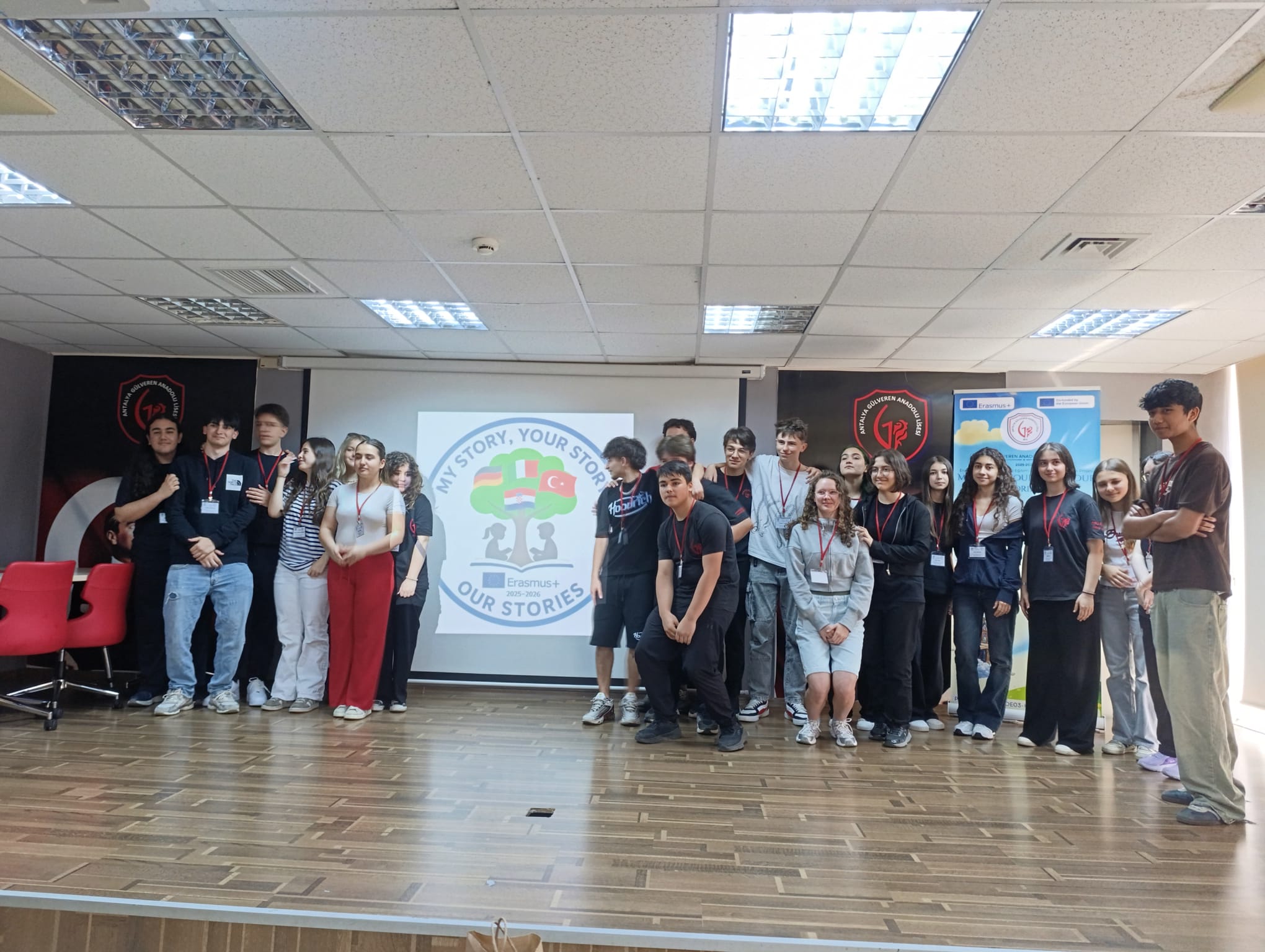
The fourth day was one of the most important output-oriented days of the mobility. Students performed their stories in front of the group. The performances demonstrated the progress made during the week in creativity, confidence, teamwork and communication.
The story performances also showed that students were able to use scenario-based learning, improvisation and artistic expression in a meaningful way. The activity encouraged active participation and gave students a concrete sense of achievement.
Following the performances, a Turkish-Greek-French-Italian friendship dance was organised. This activity created a strong intercultural atmosphere and symbolised cooperation among partner countries. It also strengthened group belonging and emotional connection to the project.
In the afternoon, participants visited Antalya city centre, museums, the old town and the marina. These visits enriched the cultural dimension of the mobility and helped participants discover the historical and social identity of Antalya.
A farewell dinner was organised for teachers in the evening. This meeting provided an opportunity for informal professional exchange, coordination and reflection among project staff.
Day 5 – Evaluation, Final Tasks and Closing Ceremony
The final day was dedicated to evaluation, future planning and closure. The week was evaluated with participants, and feedback was collected regarding the learning activities, organisation and project process.
A discussion session was held on final project tasks and the upcoming Italian mobility. This session ensured continuity between the Antalya mobility and the next stages of the project.
The mobility ended with a closing ceremony and the distribution of certificates. The ceremony recognised the active participation of students and teachers and formally concluded the activity.
Learning Outcomes
The Antalya mobility produced several important learning outcomes for students and teachers.
Students improved their ability to:
- express themselves through drama, storytelling and improvisation;
- cooperate in international teams;
- communicate in English in real project situations;
- understand different cultural perspectives;
- connect stories with places, traditions and cultural heritage;
- perform in front of an international audience;
- reflect on their own learning process.
Teachers improved their ability to:
- use scenario-based role-playing as a non-formal learning method;
- facilitate international student groups;
- integrate cultural heritage into learning activities;
- support student creativity through drama and art;
- observe and evaluate student participation in a multicultural context;
- coordinate future project tasks with partner institutions.
Dissemination and Visibility
The activity created strong dissemination potential through photos, student performances, school-based sharing, certificates and cultural visits. The mobility helped make the project visible within the host school community and among partner organisations.
The story performances and intercultural activities can be used as examples of good practice in later project dissemination activities, including presentations, social media posts, project reports and final outputs.
The mobility provided strong evidence of Erasmus+ quality in terms of participation, inclusion, intercultural learning, creativity, European cooperation and project continuity.
Overall, the Antalya activity was a successful and meaningful learning experience that contributed positively to the project’s expected results and strengthened cooperation among the partner institutions.